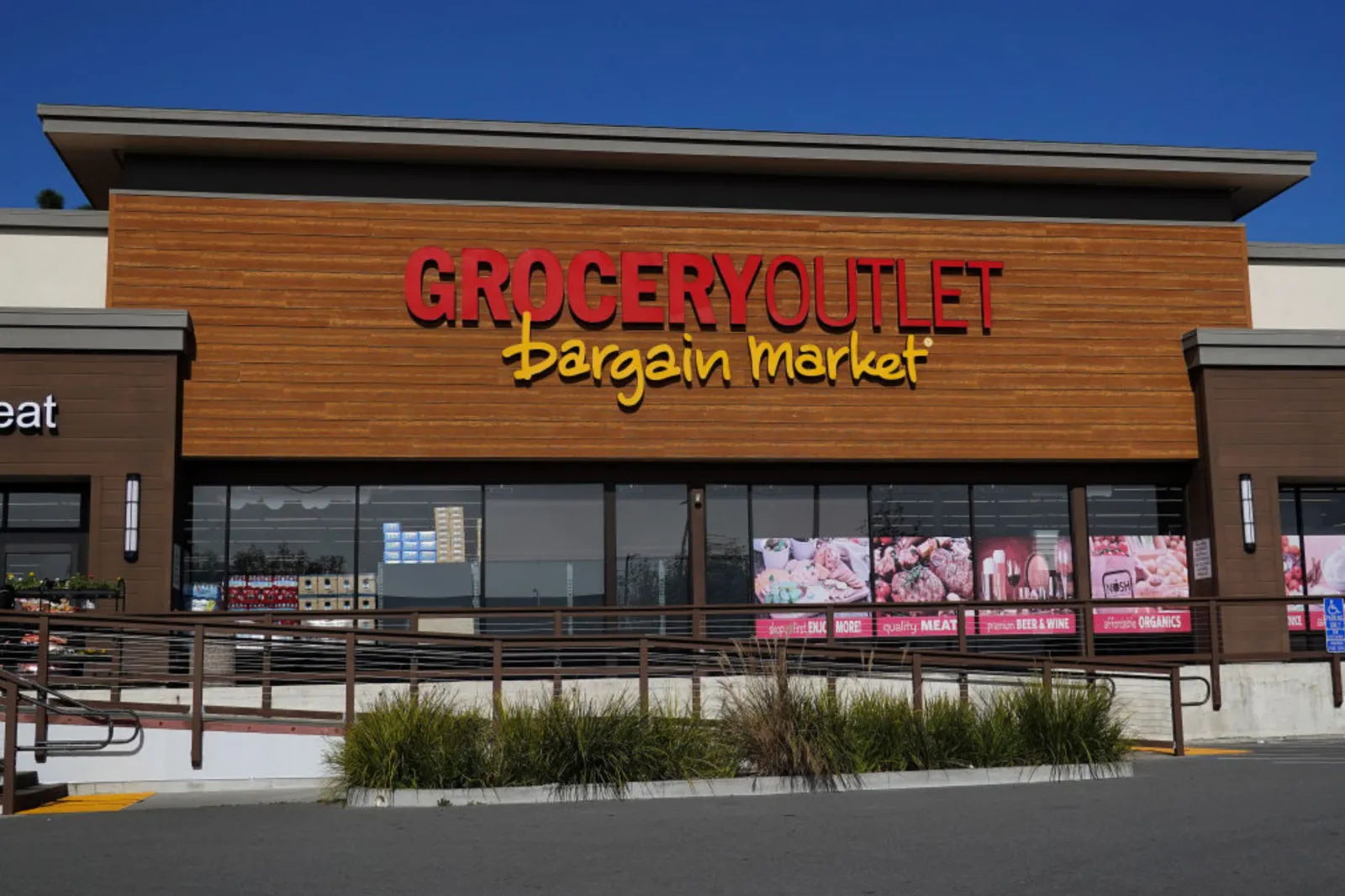
U.S. discount grocery chain Grocery Outlet said it will close 36 underperforming stores in 2026, as part of a business optimization plan after expanding too quickly, according to a statement published by the retailer, following an earnings call on Wednesday, March 4, 2026.
Why Is Grocery Outlet Closing Stores?
According to its news release statement, the California-based discount grocer said its optimization plan includes closing stores at financially underperforming locations, ending or subleasing related store leases, and terminating or subleasing a distribution center the company no longer uses. It said the moves are intended to be completed over the course of 2026, to strengthen long‑term profitability and cash flow.
The company said it currently operates more than 560 stores across 16 states—California, Washington, Oregon, Pennsylvania, Tennessee, Idaho, Nevada, Maryland, Ohio, New Jersey, North Carolina, Georgia, Alabama, Delaware, Kentucky, and Virginia.
The LA Times reported that Grocery Outlet’s Chief Executive, Jason Potter, said, "Following a rigorous analysis of the fleet, we identified 36 stores in the network that we concluded did not have a viable path to sustained profitability," adding, "it’s clear now that we expanded too quickly, and these closures are a direct correction."
The company release quoted Potter as saying: "Consumer pressure intensified, federally funded benefits were delayed, and competition grew more promotional in the fourth quarter. In response, we have begun to sharpen our focus on what matters most: delivering clearer value and a better in-store experience."
Although the company didn’t release a list of specific store closures, The LA Times and The Street both reported that 24 of the 36 stores slated to shutter are in the eastern U.S., but Grocery Outlet is not exiting any state and still plans to open 30 to 33 new stores in 2026.
What Happens Next
These plans come after the company reported a net loss of $218 million in the fourth quarter of 2025. Plus, according to the LA Times, shares have fallen more than 43 percent over the past year. Potter said, "We made progress on our strategic priorities in 2025; however, our fourth-quarter results made clear that we have more work to do, and we’re moving quickly."